Home is where the heart is—and where design shines. A well-designed home isn’t just aesthetically pleasing; it’s functional, comfortable, and aligned with your personality. Whether you’re starting from scratch or updating a single room, this guide will help you navigate the exciting world of home interior design.
1. Define Your Style
Before diving into decor and furniture, it’s crucial to determine your preferred design style. Are you drawn to minimalist Scandinavian aesthetics, or do you love the warmth of rustic farmhouse vibes? Consider the following popular styles:
- Modern: Clean lines, neutral colors, and sleek materials.
- Bohemian: Eclectic patterns, vibrant colors, and layered textures.
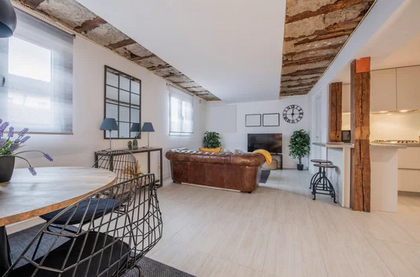
- Industrial: Exposed brick, metal accents, and earthy tones.
- Traditional: Classic furniture, rich colors, and ornate details.
Once you identify your style, stick to it to create a cohesive look throughout your home.
2. Start with a Color Palette
Color can set the mood of your space. Light, neutral tones like white and beige create an airy and spacious feel, while bold shades like navy blue or emerald green add drama and sophistication.
- Warm Tones: Perfect for creating cozy, inviting spaces (e.g., living rooms).
- Cool Tones: Ideal for relaxation and calmness (e.g., bedrooms).
- Accent Colors: Add pops of color through decor like cushions, rugs, and wall art.
Use the 60-30-10 rule: 60% of the room should be a dominant color, 30% a secondary color, and 10% an accent color.
3. Furniture Placement and Functionality
The way you arrange your furniture can make or break a room. Here are some layout tips:
- Measure First: Avoid buying furniture that’s too big or small for your space.
- Create Zones: Especially in open-plan living areas, define spaces with rugs or lighting.
- Balance: Distribute furniture evenly to avoid overcrowding one area.
- Multi-Functional Pieces: Choose furniture with storage options or pieces that can serve multiple purposes.
4. Lighting Matters
Lighting has the power to transform any space. Layer your lighting with these three types:
- Ambient Lighting: The main source of light (e.g., ceiling fixtures).
- Task Lighting: Focused lighting for specific activities like reading (e.g., desk lamps).
- Accent Lighting: Decorative lighting that highlights art or architectural features (e.g., wall sconces).
Pro Tip: Use dimmer switches to adjust the brightness and set the mood for different times of day.
5. Incorporate Textures and Patterns
Textures and patterns add depth and visual interest to a room. For example:
- Combine materials like wood, metal, and fabric for a layered look.
- Use patterned throw pillows, rugs, or curtains to break monotony.
- Add greenery through plants for a natural and fresh vibe.
6. Personalize with Decor
Decor is where your personality shines. Add elements that resonate with you:
- Artworks: Hang paintings or framed photographs that inspire you.
- Books: Stack books on shelves or coffee tables for a cozy touch.
- Memorabilia: Showcase souvenirs or heirlooms for a personal connection.
- Mirrors: Use mirrors to make small spaces appear larger and brighter.
7. Stay Organized
A cluttered space can feel chaotic, so prioritize organization.
- Use stylish storage solutions like woven baskets or built-in cabinets.
- Label items in your pantry, closet, or office to keep everything in its place.
- Declutter regularly to ensure your design remains functional and beautiful.
8. Design for Every Room
Each room in your home serves a unique purpose, and its design should reflect that.
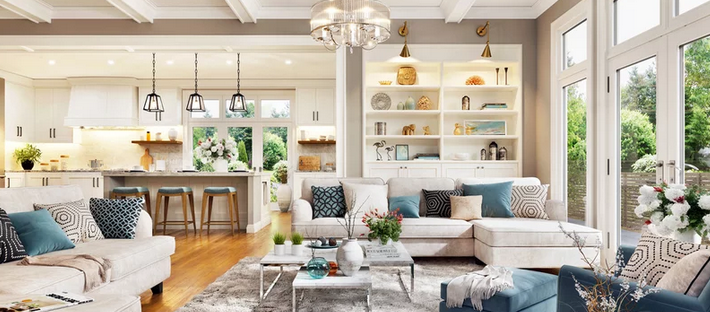
Living Room
- Arrange furniture for conversation and comfort.
- Add statement lighting and layered rugs for warmth.
Kitchen
- Focus on functionality with ample counter space and storage.
- Use a backsplash or pendant lights as design accents.
Bedroom
- Invest in a quality mattress and luxurious bedding.
- Use soft, ambient lighting for a calming atmosphere.
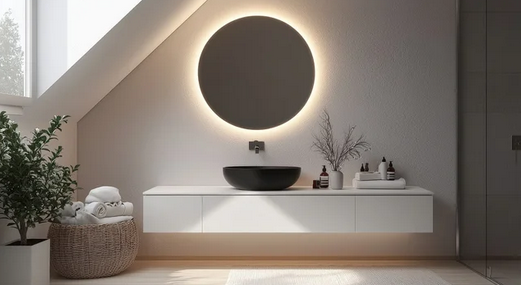
Bathroom
- Install shelves or baskets for toiletries.
- Add a touch of luxury with scented candles or plush towels.
9. Sustainability in Design
Eco-friendly design choices are not only good for the planet but also for your wallet.
- Opt for furniture made from sustainable materials like bamboo or reclaimed wood.
- Use LED lighting to save energy.
- Choose non-toxic, low-VOC paints for better air quality.
10. Seek Professional Help When Needed
While DIY design is rewarding, consulting an interior designer can save you time and money in the long run. They can help you maximize your space and avoid costly mistakes.
Home interior design is an exciting journey of self-expression. Whether you’re redesigning a single room or your entire home, start with a clear vision, embrace creativity, and make decisions that enhance both aesthetics and functionality. With the right tips and tricks, your home will not only look stunning but also feel like a true reflection of you.