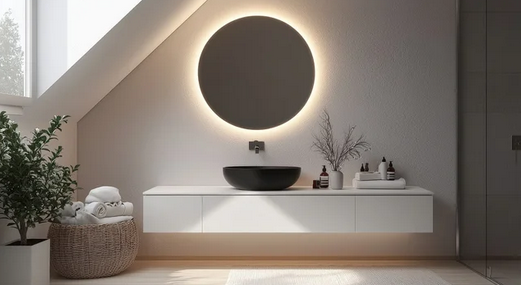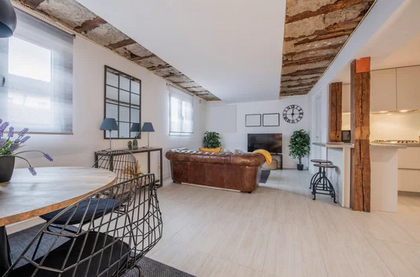
Building a home is a significant life milestone. Whether it’s your first home or your forever home, you want it to be more than just four walls and a roof. Custom home designs offer the perfect opportunity to create a space that’s not only functional but also a true reflection of your style, values, and needs. Unlike traditional home designs, which rely on preset blueprints, custom homes are tailored specifically to the individual homeowner, making them ideal for those who want a one-of-a-kind living experience.
In this article, we’ll take a look at what custom home designs entail, the benefits of choosing a custom-built home, and the steps involved in creating your dream space.
What Are Custom Home Designs?
Custom home designs allow you to work with an architect, builder, or designer to create a home that reflects your vision and lifestyle. From the architectural style to the materials, layouts, and finishes, everything is tailored to your specific requirements. The beauty of custom homes is that they can be as unique as you are, giving you control over every aspect of your home.
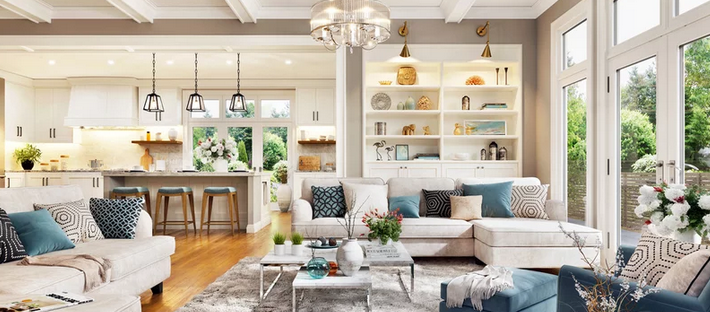
Unlike pre-designed homes, which come with fixed plans and layouts, custom home designs offer the flexibility to make changes at any stage of the process. Whether you want an open-concept living room, a chef-inspired kitchen, or a luxury master suite, a custom home can be designed to fit your needs.
Benefits of Custom Home Designs
- Complete Personalization
The most obvious benefit of custom home designs is the ability to personalize every detail. From the exterior design to the layout of your rooms and the choice of materials, you can make your home truly unique. You don’t have to settle for someone else’s vision or compromise on elements that are important to you. - Perfect Fit for Your Lifestyle
Custom homes are designed with your lifestyle in mind. Whether you work from home, have a growing family, or love to entertain, your home can be structured to suit how you live. Custom homes provide the flexibility to incorporate features such as a home office, gym, entertainment space, or multi-generational living areas. - Higher Quality and Durability
When you design your own home, you can prioritize quality and durability. Custom home builders typically use higher-quality materials, which translates to a longer-lasting, more energy-efficient home. From sustainable building practices to the latest in home technology, custom homes offer the opportunity to build a more environmentally-friendly and cost-effective home. - Optimized Space Planning
Custom designs allow you to optimize every inch of space. Whether you have a small plot of land or a spacious lot, a custom-designed home ensures that your space is used efficiently. For example, you can incorporate built-in storage solutions or design rooms that can be multifunctional, such as a guest room that doubles as a home office. - Increased Property Value
Custom homes often appreciate at a higher rate than standard homes. The ability to build a home that’s perfectly tailored to the local area and the market gives you an advantage if you ever decide to sell. A well-designed home with unique features and high-quality construction can significantly increase its resale value.
Steps in the Custom Home Design Process
Building a custom home is an exciting journey, but it can also be a complex process. Here are the key steps involved:
- Set a Budget
Before you dive into the design process, it’s important to set a realistic budget. Custom homes can vary greatly in cost, depending on the design, materials, and location. Establishing a budget early on helps ensure that you stay within your financial limits while still achieving the features you want. - Choose a Site
The location of your home is crucial. Whether you have a plot of land already or you’re still looking, it’s important to select a site that works for both your lifestyle and your budget. Consider factors such as access to amenities, proximity to work, the landscape, and local zoning laws. - Find the Right Architect or Designer
A skilled architect or home designer will bring your vision to life. Do your research to find a professional who has experience with custom home designs and understands your goals. They will work with you to create a home layout that maximizes space, functionality, and style. - Develop a Design Concept
With the help of your architect, you’ll develop a design concept that outlines the floor plans, materials, and features of your custom home. This is the stage where you can explore different architectural styles, room layouts, and interior design options. - Refine the Plans
Once the initial concept is drafted, you’ll review the plans and make revisions as needed. This is your chance to adjust the design to better suit your needs or preferences. This step may take some time, but it’s essential to get the design just right. - Choose a Builder
Selecting the right builder is crucial to the success of your custom home project. Look for a builder who has experience with custom homes and a reputation for quality work. You’ll work closely with them to bring your design to life. - Construction and Completion
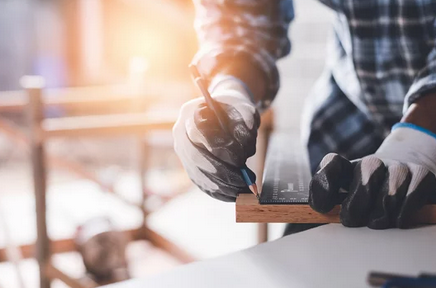
After securing the necessary permits and finalizing the design, construction begins. Your builder will coordinate with subcontractors, such as electricians, plumbers, and carpenters, to ensure that every part of the home is built to specification. The construction phase can take several months, depending on the size and complexity of your home. - Final Walkthrough and Moving In
Once construction is complete, you’ll do a final walkthrough to ensure everything meets your expectations. Any last-minute adjustments will be made before you officially move in and start enjoying your new home.
Design Tips for Your Custom Home
- Consider Future Needs: Think about your future needs and how your home can evolve with your lifestyle. Incorporating universal design elements, such as wider doorways or accessible bathrooms, can increase the functionality and longevity of your home.
- Focus on Natural Light: Custom homes often have more flexibility in terms of window placement. Maximizing natural light not only makes your home feel brighter and more inviting but can also save on energy costs.
- Incorporate Outdoor Living Spaces: If you live in an area with mild weather, consider adding outdoor living areas, such as a deck, patio, or garden. This can expand your living space and enhance your home’s functionality.
- Energy Efficiency: From solar panels to energy-efficient appliances, there are plenty of options to make your custom home more sustainable. Incorporating green building practices can reduce your environmental footprint and lower utility costs over time.
Custom home designs offer an incredible opportunity to build a home that perfectly aligns with your needs, lifestyle, and preferences. From the initial design to the final touches, every step of the process can be personalized to create a space that’s not only functional but also a true reflection of who you are. By following the design process and keeping your priorities in mind, you can create a home that will stand the test of time and provide you with a lifetime of comfort.