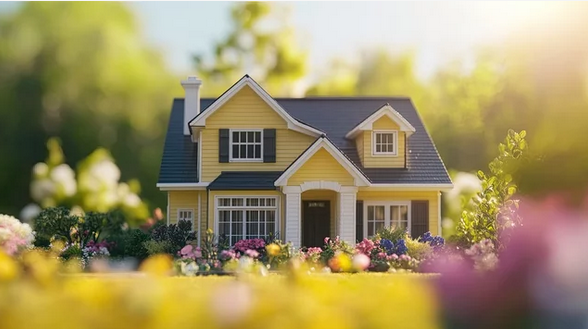
Custom tiny houses have gained massive popularity as more people embrace minimalist lifestyles and eco-friendly living. They offer the flexibility to design a space that fits your exact needs while reducing your carbon footprint. Whether you’re looking for a full-time residence or a weekend retreat, a custom tiny home is a perfect solution. In this guide, we’ll walk you through the key aspects of designing and building your dream tiny house.
1. Why Choose a Custom Tiny House?
Custom tiny houses provide numerous benefits, including:
- Personalization: Tailor every detail, from the layout to materials.
- Cost Efficiency: Save money by focusing only on the features you truly need.
- Eco-Friendliness: Build with sustainable materials and incorporate green energy solutions.
- Flexibility: Adapt the home for different uses, like a mobile office, guest house, or primary residence.
2. Planning Your Custom Tiny Home
Before construction begins, proper planning is crucial.
- Define Your Purpose: Will your tiny house be stationary or mobile? Is it for a single person, a couple, or a family?
- Set a Budget: Allocate funds for materials, labor, permits, and additional features like solar panels or composting toilets.
- Research Zoning Laws: Regulations vary by location, so check local building codes and land-use laws.
- Choose a Builder or DIY: Decide whether to hire a professional tiny house builder or construct it yourself.
3. Designing Your Tiny House
The design phase is where your creativity shines.
- Layout and Functionality: Optimize every square inch. Popular designs include lofted sleeping areas, multi-use furniture, and open floor plans.
- Storage Solutions: Incorporate hidden compartments, under-bed storage, and vertical shelving to maximize space.
- Lighting and Ventilation: Use large windows, skylights, and LED lighting to make the space feel larger and more inviting.
- Sustainability Features: Install rainwater collection systems, solar panels, and energy-efficient appliances to minimize environmental impact.
4. Building Materials and Techniques
Selecting the right materials ensures durability and comfort.
- Lightweight Materials: If your tiny house is on wheels, use lightweight yet sturdy materials like aluminum and engineered wood.
- Eco-Friendly Options: Recycled wood, reclaimed materials, and bamboo are great sustainable choices.
- Insulation: Proper insulation is vital, especially if you plan to live in regions with extreme weather. Consider spray foam, wool, or rigid foam boards.
- Smart Technology: Add smart home devices for security, energy management, and convenience.
5. Interior Customization
Customizing the interior brings your vision to life.
- Kitchens: Include a compact yet functional kitchen with essentials like a mini fridge, portable stove, and foldable dining table.
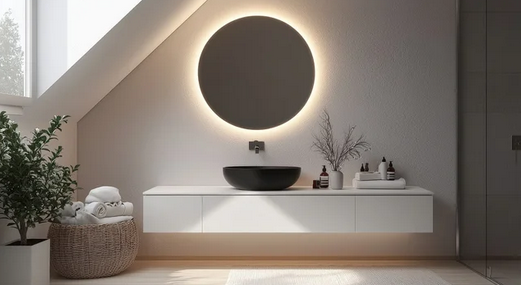
- Bathrooms: Opt for space-saving fixtures like corner sinks and composting toilets.
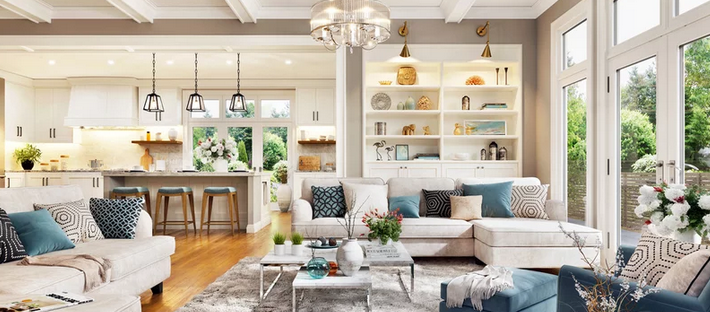
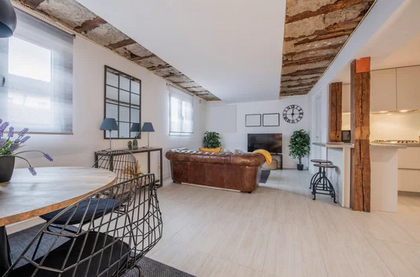
- Living Spaces: Use convertible furniture, such as a sofa that doubles as a guest bed, to make the most of limited space.
- Decor: Add personal touches like framed artwork, colorful rugs, and plants to make your house feel like a home.
6. Costs and Financing Options
The cost of a custom tiny house varies based on design complexity, materials, and labor.
- Cost Breakdown:
- Basic models: $30,000–$50,000
- Mid-range: $60,000–$80,000
- High-end luxury: $100,000+
- Financing Options: Explore loans, crowdfunding, or personal savings to fund your build. Some tiny house builders also offer payment plans.
7. Living the Tiny House Lifestyle
Adjusting to tiny living requires some changes, but the rewards are worth it.
- Minimalist Mindset: Embrace a “less is more” approach and prioritize quality over quantity.
- Community Connection: Join tiny house communities or attend meetups to exchange ideas and experiences.
- Maintenance Tips: Regularly inspect your home’s structure, plumbing, and energy systems to prevent costly repairs.
8. Challenges of Custom Tiny Houses
While tiny houses offer many benefits, they also come with challenges.
- Space Constraints: Living in a small space can feel restrictive without proper organization.
- Regulations: Navigating zoning laws and building permits can be time-consuming.
- Limited Resale Value: Tiny homes may not appreciate like traditional houses.
Building a custom tiny house is an exciting journey that allows you to create a space uniquely tailored to your lifestyle. From designing the perfect layout to incorporating sustainable features, every aspect of the process is an opportunity to express yourself. By carefully planning and choosing the right materials, you can enjoy the freedom and simplicity of tiny living without sacrificing comfort or style.