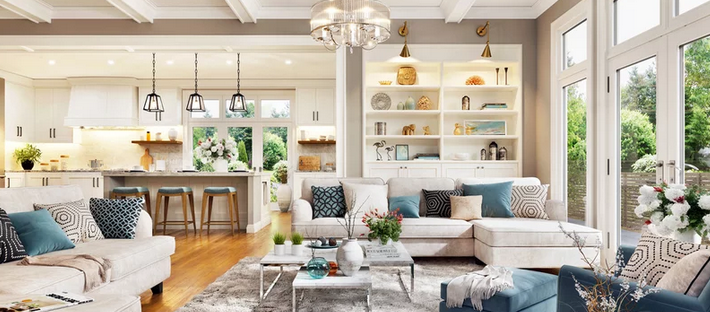
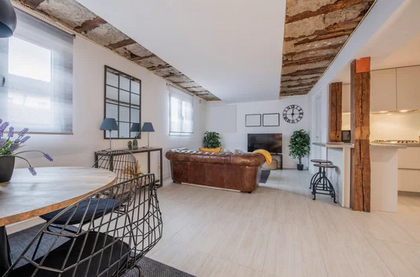
Adding more space to your home is an exciting project, whether you’re expanding for a growing family, creating a home office, or simply upgrading your living space. However, understanding the costs associated with a home addition can be overwhelming. From materials to permits, several factors contribute to the total expense. In this article, we’ll explore the key elements that affect home addition costs, provide average cost estimates, and share tips for budgeting wisely.
1. What Factors Influence Home Addition Costs?
The cost of a home addition varies widely depending on the following factors:
a. Type of Addition
Different types of additions come with varying price tags. A basic room addition, such as a bedroom, will generally cost less than a kitchen expansion or a second-story addition due to the complexity of plumbing, electrical work, and structural reinforcements.
b. Size of the Addition
The size of the project significantly impacts the cost. Additions are typically priced per square foot, with larger additions costing more overall. However, larger projects may have a lower cost per square foot due to economies of scale.
c. Materials and Finishes
The materials you choose for your addition can greatly influence the cost. High-end materials, custom finishes, and premium flooring will increase expenses compared to standard-grade options.
d. Labor Costs
Labor accounts for a substantial portion of home addition expenses. Rates vary by region and contractor, so getting multiple quotes from reputable professionals is essential.
e. Permits and Regulations
Before starting your home addition, you’ll need to obtain permits and ensure compliance with local building codes. Permit costs can range from a few hundred to several thousand dollars depending on your location and the scope of the project.
2. Average Costs of Home Additions
While costs vary, the following estimates provide a general idea of what to expect:
- Basic Room Addition (Bedroom or Office): $100–$200 per square foot
- Kitchen Addition: $200–$400 per square foot
- Bathroom Addition: $250–$450 per square foot
- Second Story Addition: $300–$500 per square foot
For a 400-square-foot basic addition, you can expect to pay between $40,000 and $80,000. More complex projects, such as a kitchen or bathroom, may cost upwards of $100,000 depending on design and materials.
3. Tips for Smart Budgeting
To ensure your home addition stays within budget, follow these tips:
a. Set a Clear Budget
Determine how much you’re willing to spend and stick to it. Factor in unexpected expenses by setting aside 10–20% of your budget for contingencies.
b. Prioritize Needs Over Wants
Decide which features are essential and which can be scaled back. Focus on functionality first, and consider luxury upgrades later if the budget allows.
c. Get Multiple Quotes
Request detailed quotes from at least three contractors to compare pricing, timelines, and materials. Choose a contractor with a solid reputation and transparent pricing.
d. Consider DIY Options
If you have the skills, completing smaller tasks like painting or landscaping yourself can save money. However, leave structural work to licensed professionals to ensure safety and compliance.
e. Plan for Efficiency
Incorporate energy-efficient features like insulated windows and LED lighting into your addition. While they may have higher upfront costs, they can save you money on utilities in the long run.
4. Financing Options for Your Home Addition
If paying for your home addition upfront isn’t feasible, consider these financing options:
- Home Equity Loan or Line of Credit (HELOC): Use the equity in your home to secure funding at a lower interest rate.
- Personal Loan: A good option for smaller projects, though interest rates may be higher.
- Cash-Out Refinance: Refinance your mortgage to access cash for your project.
- Construction Loan: Designed specifically for home improvement projects, these loans can fund major additions.
5. Common Mistakes to Avoid
a. Underestimating Costs
It’s easy to underestimate the total cost of a home addition. Always account for permits, design fees, and unexpected expenses in your budget.
b. Choosing the Cheapest Contractor
While it’s tempting to go with the lowest bid, the cheapest contractor may not always deliver the best quality. Invest in a reputable professional to avoid costly mistakes.
c. Failing to Plan for Disruption
Home additions can disrupt your daily life. Plan ahead to minimize inconvenience, especially if the project involves plumbing or structural changes.
d. Skipping the Design Phase
A clear design plan is crucial for a successful addition. Work with an architect or designer to ensure your new space integrates seamlessly with your existing home.
6. How to Maximize Your Investment
A well-executed home addition can increase your property’s value. To maximize your return on investment (ROI):
- Choose timeless designs and materials that appeal to future buyers.
- Focus on functional spaces like kitchens, bathrooms, and additional bedrooms.
- Maintain consistency with your home’s architectural style.
- Ensure all work is up to code and professionally completed.
Adding to your home is a significant investment, but with careful planning and budgeting, it can be a rewarding experience. By understanding the factors that influence costs, exploring financing options, and working with experienced professionals, you can turn your vision into reality while staying within your budget. Whether you’re expanding for comfort, functionality, or resale value, a thoughtfully planned home addition can enhance your quality of life and increase the value of your property.