When it comes to real estate, foreclosed homes present an exciting avenue for savvy buyers and investors looking to capitalize on below-market pricing. These properties, often sold due to the previous owner’s inability to meet mortgage obligations, can offer incredible deals. However, buying foreclosures also comes with unique challenges and risks. This blog will guide you through the process, helping you make informed decisions and seize rewarding opportunities.
What Are Foreclosed Homes?
Foreclosed homes, often called REO (real estate-owned) properties, are properties that lenders repossess after the homeowner defaults on their mortgage. Once repossessed, the lender typically sells the home to recoup the unpaid loan balance. These homes are usually listed through real estate agents, auction sites, or directly by the bank.
For buyers, foreclosed homes offer the chance to purchase properties at discounted prices, making them appealing for first-time homebuyers, flippers, and seasoned investors.
Where to Find Foreclosed Homes
Locating foreclosed properties can feel overwhelming, but several resources make the process easier:
- Online Listings: Websites like Zillow, Realtor.com, and foreclosure-specific platforms such as Foreclosure.com or Auction.com list foreclosures.
- Bank and Lender Websites: Many banks and mortgage companies maintain lists of REO properties.
- Local Auctions: Foreclosure auctions often occur at courthouses and are an excellent place to find deals.
- Real Estate Agents: Partnering with an agent experienced in foreclosures can streamline your search.
Advantages of Buying a Foreclosed Home
- Lower Prices: Foreclosures are often priced below market value to encourage quick sales.
- Equity Opportunities: Buyers can quickly build equity if they purchase a foreclosure and improve the property.
- Investment Potential: Flippers and landlords can profit from renovating and reselling or renting foreclosed homes.
Risks of Buying Foreclosures
While the benefits are enticing, foreclosed homes come with risks, including:
- As-Is Sales: Many foreclosures are sold in “as-is” condition, meaning the buyer is responsible for all repairs.
- Limited Information: Access to inspection reports or property details can be limited, leaving buyers in the dark about hidden issues.
- Competition: Investors and other buyers can drive up prices, especially at auctions.
How to Buy a Foreclosed Home
- Secure Financing: Pre-approval for a mortgage is essential, especially for auction purchases that may require fast payment.
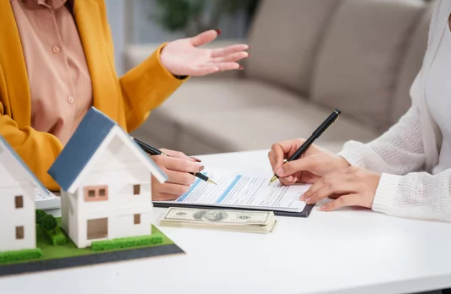
- Hire a Real Estate Agent: Working with an experienced agent can help you navigate the complexities of buying foreclosures.
- Inspect the Property: If possible, arrange for a professional inspection to assess repair costs.
- Understand the Market: Research the local housing market to ensure you’re getting a fair deal.
- Make a Competitive Offer: Be prepared to act quickly and offer competitive terms, especially in a hot market.
Tips for Buying Foreclosed Homes
- Budget for Repairs: Factor renovation costs into your budget to avoid financial surprises.
- Research the Property: Check for outstanding liens or back taxes that could become your responsibility.
- Start Small: If you’re new to foreclosures, consider starting with smaller, less complex properties.
- Work with Professionals: An experienced attorney, inspector, and real estate agent are invaluable during the process.
Are Foreclosed Homes Right for You?
Foreclosed homes aren’t for everyone. They require patience, due diligence, and a willingness to take on potential challenges. However, with the right preparation, they can be an excellent way to achieve homeownership or expand your investment portfolio.
Buying a foreclosed home can be a rewarding experience, offering unique opportunities for those willing to navigate the process. By understanding the advantages, risks, and steps involved, you’ll be well-equipped to make an informed purchase. Whether you’re a first-time buyer or an experienced investor, foreclosures offer a pathway to finding great deals in real estate.